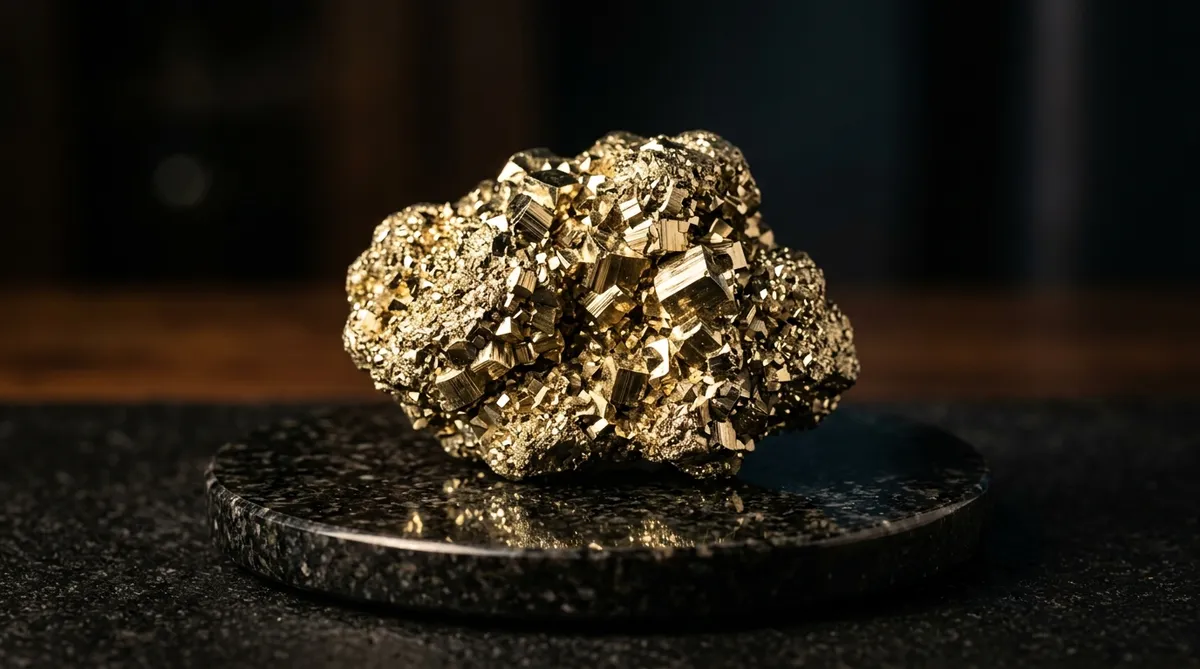
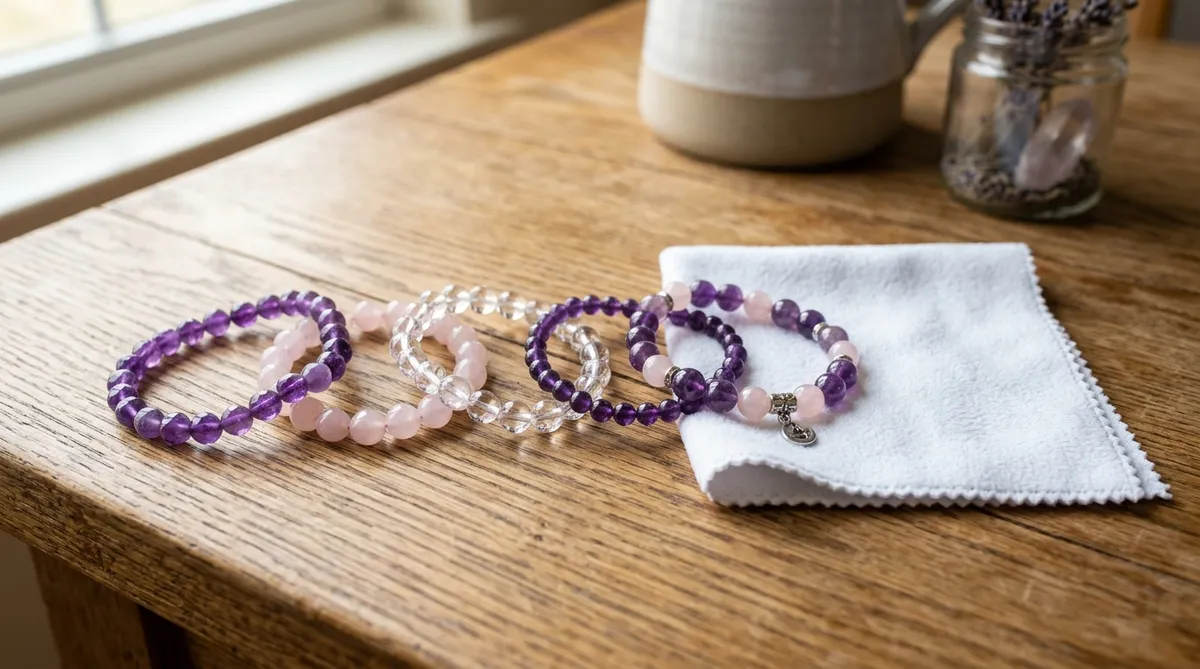
When purchasing natural gemstone crystal bracelets, first-time buyers often notice subtle shade differences between individual beads or between online product photos and physical items. Understanding geologic mineral formation explains why natural stones are never completely uniform.
Geologic mineral inclusions and trace elements
Natural crystals form over millions of years deep within the earth crust under high pressure and thermal heat.
- Trace Element Shading: Minor amounts of iron atoms create pink hues in Rose Quartz and purple tones in Amethyst. Variations in trace metal concentrations during crystal growth cause one bead to look pale violet while an adjacent bead appears deep rich purple.
- Mineral Vein Banding: Stones like Malachite, Agate, and Tiger Eye display organic growth bands and fibrous layers. Each cut bead captures a unique cross-section slice of the original raw mineral block.

Natural gemstones vs uniform synthetic glass
Factory-manufactured glass or plastic beads have identical color tones, flawless transparency, and zero internal markings.
In contrast, real natural gemstones feature unique internal characteristics, including microscopic feather inclusions, minor surface pits, and natural shade gradients. These characteristics serve as authentic proof of genuine geological origin rather than artificial plastic or glass synthesis.
Explore view natural crystal bracelets, check explore raw crystal decor, or ask mineral questions at contact AstroJi support.
Found this guide helpful?
Share it with friends and family embarking on their spiritual journey.
AstroJi Editorial Team
Verified SpecialistMineralogy Specialist
Dedicated to dispelling myths and delivering lab-certified clarity on spiritual products for seekers nationwide.